Initial Referral, Consultation and Assessment
The first stage after initial referral involves completing registration paperwork, consent forms, intake information, and assessment measures. Parents or carers will be invited to share their concerns, observations, hopes for therapy, and information about their child’s development, relationships, strengths, and current challenges.
With parental consent, information may also be gathered from school staff or other professionals involved in the child’s care. This collaborative approach helps build a holistic understanding of the child’s needs and ensures that everyone is working together to support their wellbeing.
As part of the assessment process, parents, carers, and where appropriate, schools, will be invited to complete recognised Play Therapy UK outcome measures, including the Strengths and Difficulties Questionnaire (SDQ). These provide a valuable baseline from which progress can be reviewed throughout the therapeutic process. The approach is holistic and not pinned down to one method.
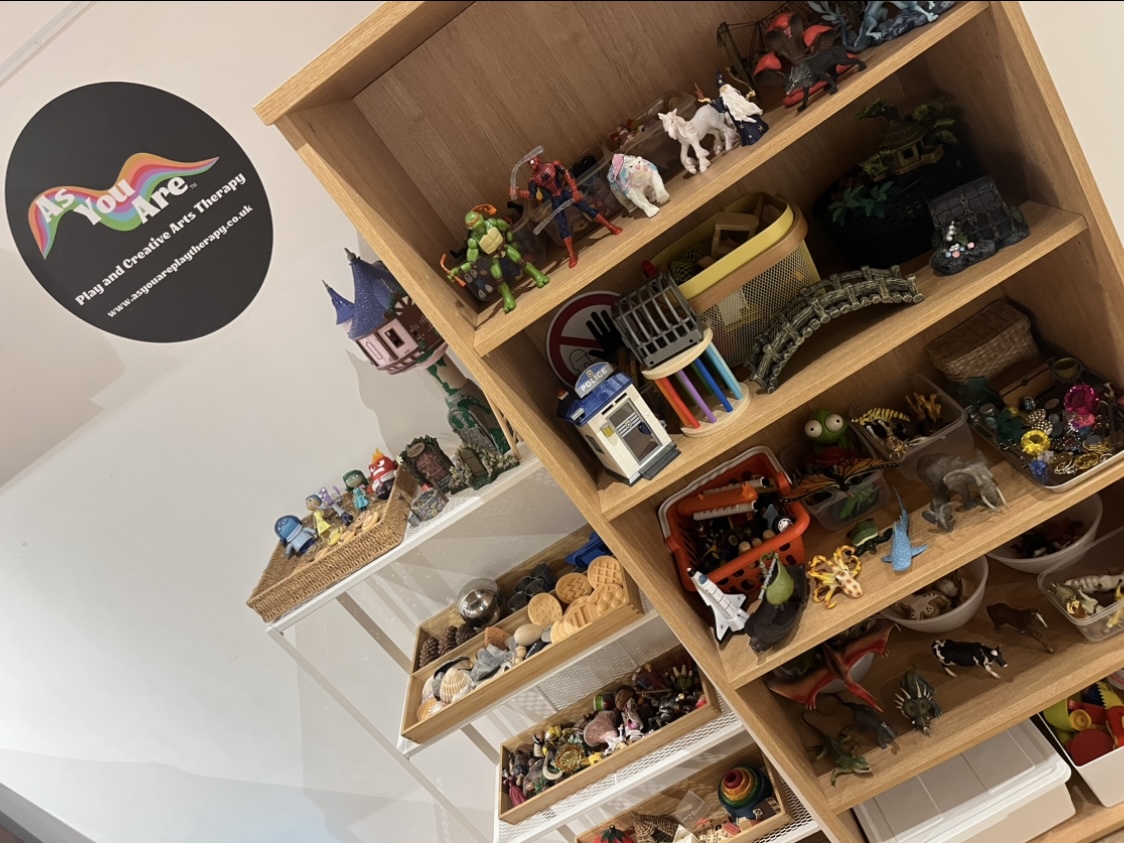
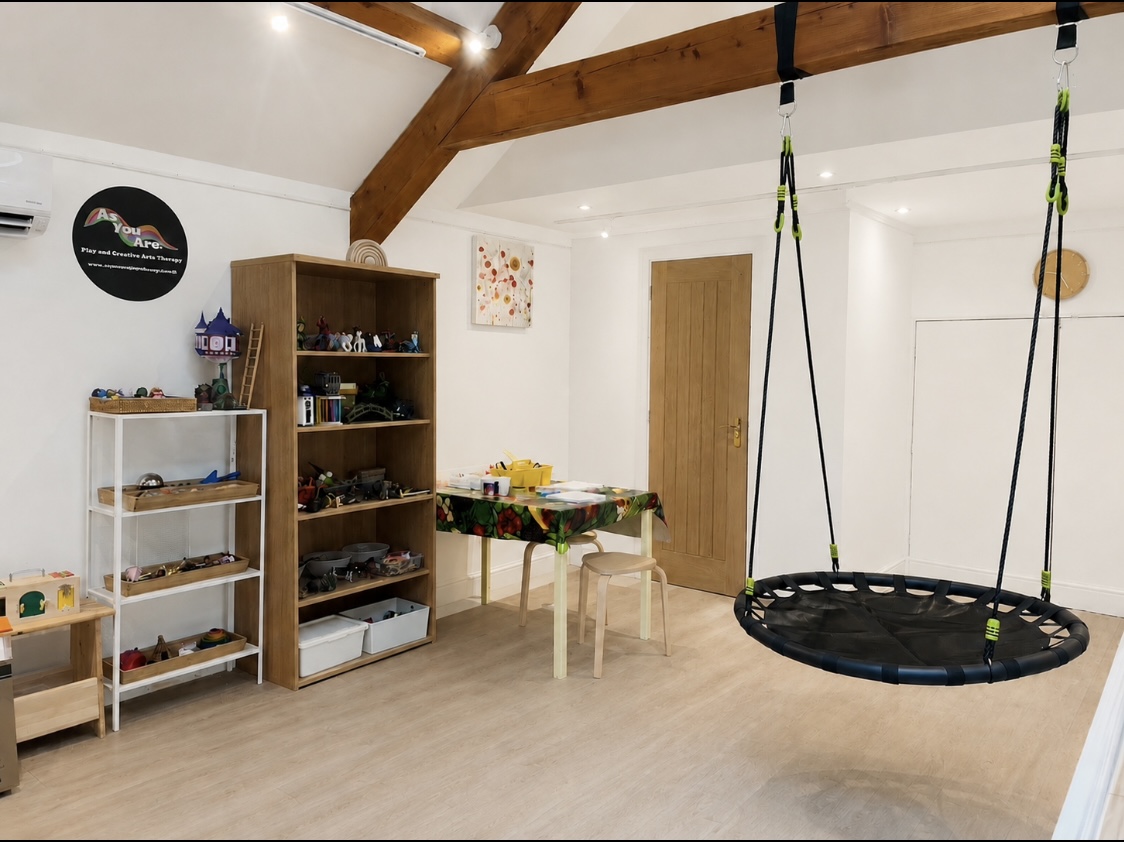
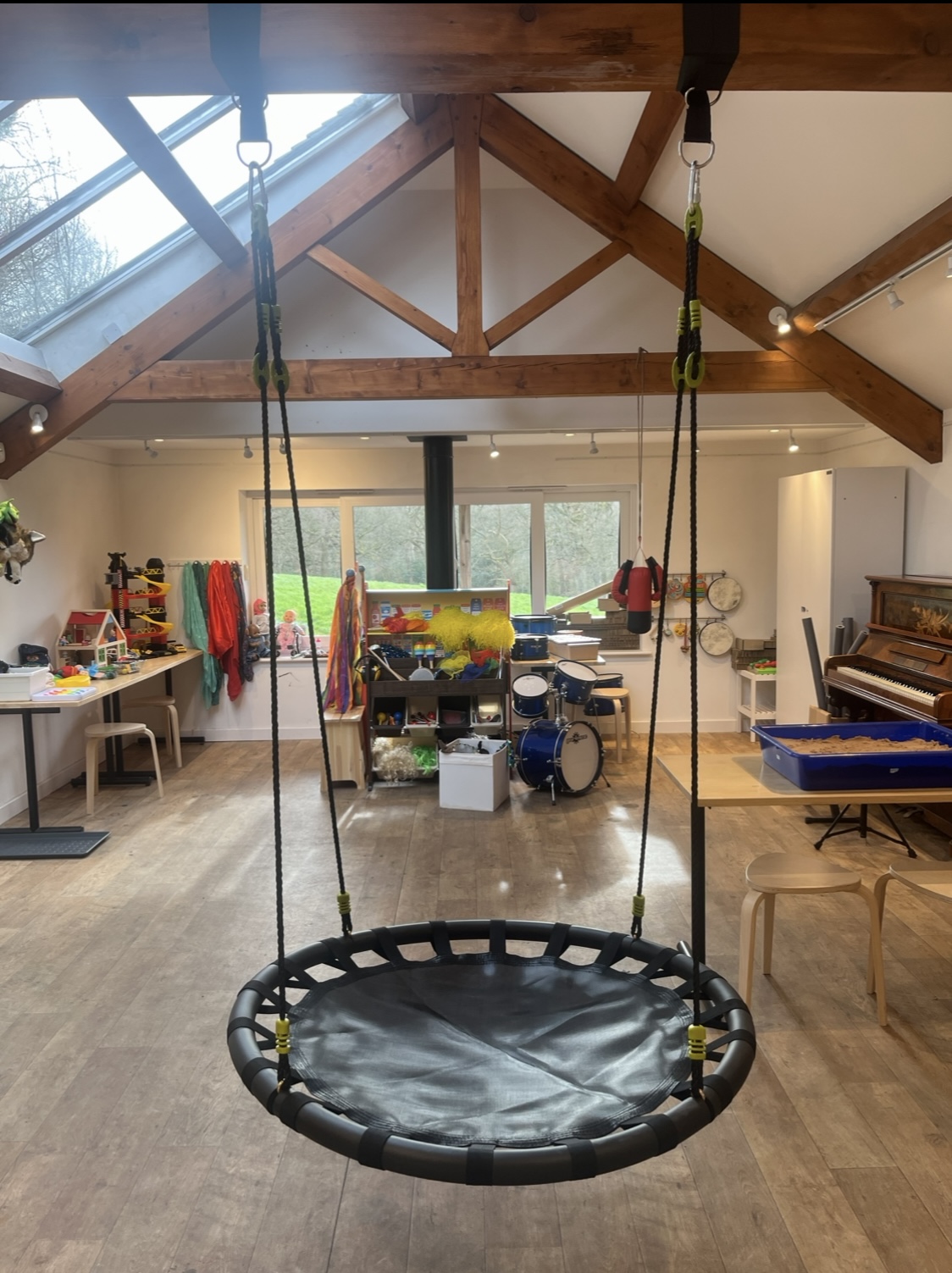
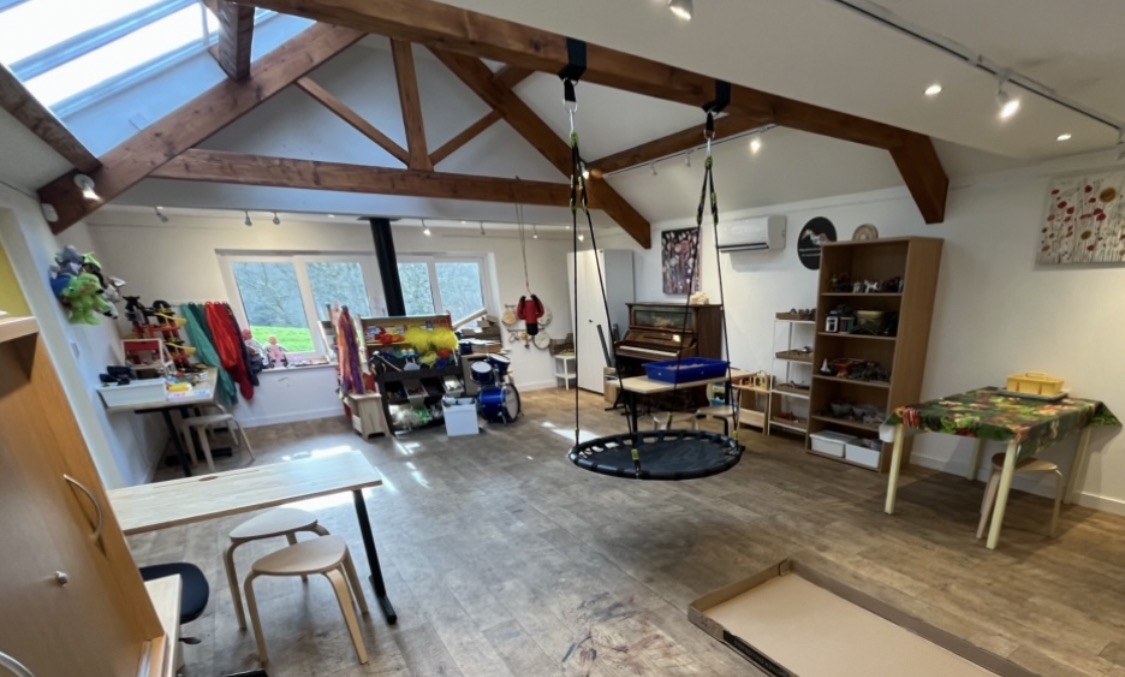
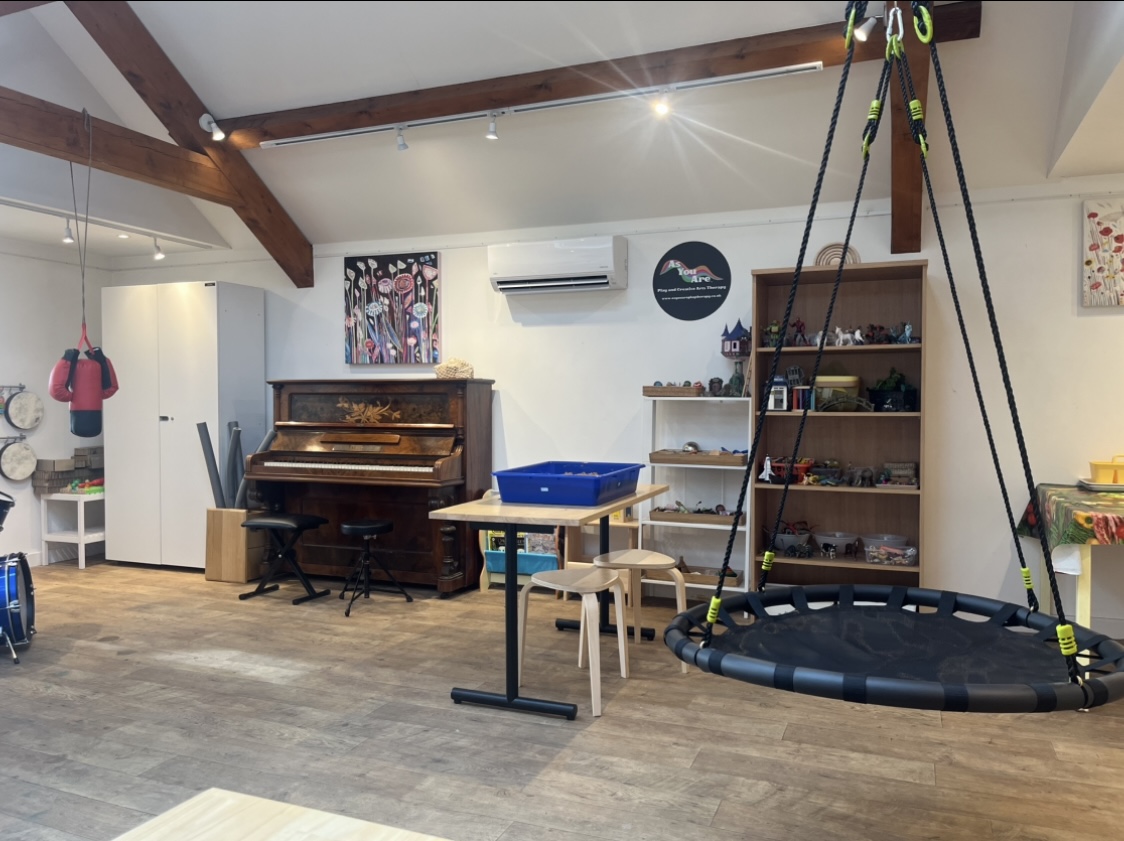
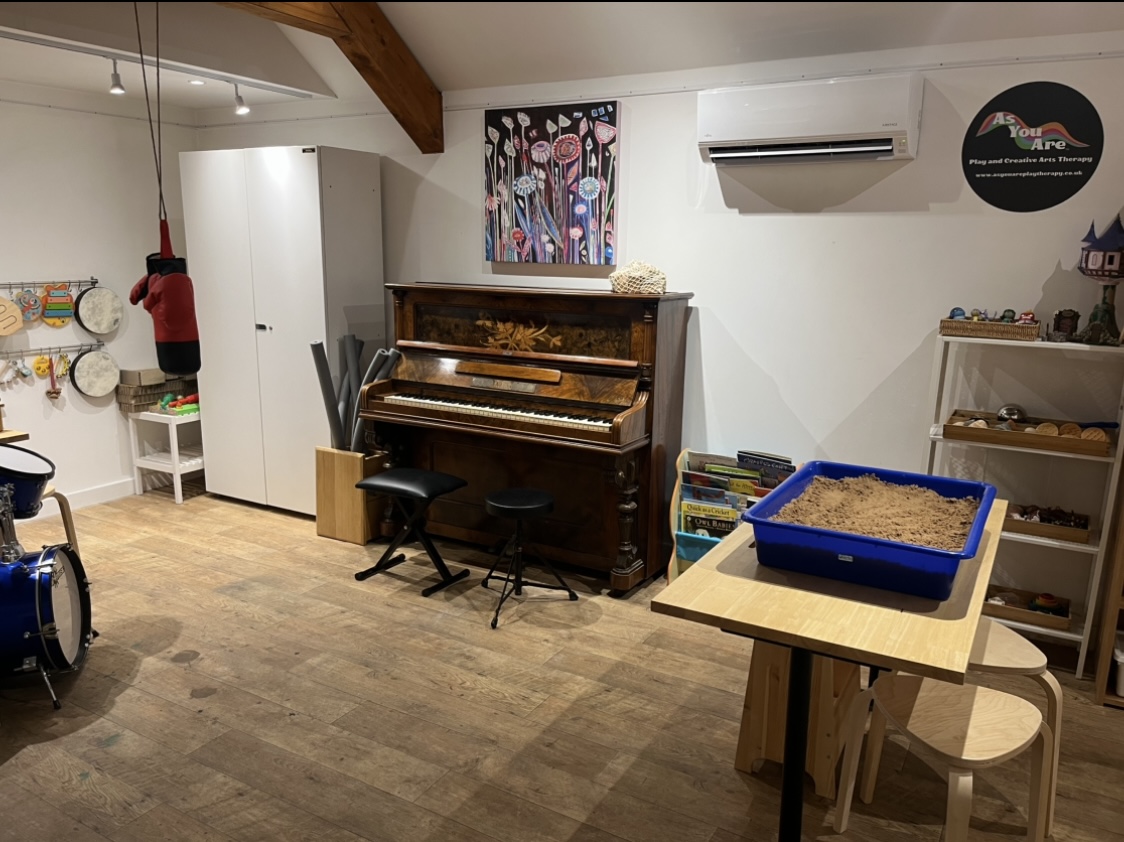
Following this, the child will also have an opportunity to meet the therapist, become familiar with the therapeutic space, and begin building a sense of safety and trust before therapy formally begins.

Beginning Therapy
Following assessment, a recommendation will be made regarding the proposed therapeutic intervention.
Play Therapy sessions are usually offered as a minimum initial block of 15 weekly sessions. The overall duration of therapy is determined by the individual child’s needs. Sessions last 40 minutes and take place at the same time and in the same therapeutic space each week. This consistency provides emotional safety, predictability, and stability, allowing trust and the therapeutic relationship to develop over time.
Play Therapy is a clinical mental health intervention and regular attendance is important. Sessions should be protected in the same way as other healthcare appointments, helping to ensure continuity and maximise therapeutic benefit.
Children attend during school hours, appointments are generally offered between 9.30am and 2.30pm during term time. Schools are usually very supportive of therapeutic interventions and may already be aware of the difficulties a child is experiencing. If required, a letter confirming attendance for a clinical mental health appointment can be provided.
Next Steps
Get in touch to chat or visit for a free no obligation initial meeting.
Reviews and Ongoing Support
Parents and carers remain an important part of the therapeutic process.
Review meetings are held about every 6-7 weeks and an end meeting is also important. These meetings provide an opportunity to discuss progress, reflect on the journey, consider any changes that may be helpful at home or school, and review ongoing needs.
Additional review meetings can be arranged where appropriate, ensuring that support remains responsive to the child’s development and circumstances.


Planning for Endings
In Play Therapy, endings are considered a very important and valuable part of the therapeutic process. Therapy does not stop suddenly; instead, endings are planned carefully and sensitively with the child, allowing time to prepare, reflect, and say goodbye in a healthy and meaningful way.
The timing of an ending is determined collaboratively between the child, therapist, parents, carers, and school. This decision is based on progress made, therapeutic goals achieved, and the child’s readiness to end therapy, or not.
Following the final session, end-of-therapy review meetings are held with parents and, where appropriate, school staff.
Outcome measures such as the SDQ will be repeated to help identify changes, progress, strengths developed, and areas of growth throughout the therapeutic journey.
For more information about ending therapy see my FAQS.
Final Report and Recommendations
A written end-of-therapy report can be provided as required. This report summarises the therapeutic progress, highlights changes made, outlines strengths and achievements, and provides recommendations for ongoing support where appropriate.
Many families and schools find this report helpful in understanding the child’s journey and identifying ways to continue supporting their emotional wellbeing beyond therapy.
At every stage of the process, the aim is to create a safe, supportive, and collaborative experience that enables children to feel understood, valued, and empowered to reach their full potential.

Resources

I won't give up, no, I won't give in
'Til I reach the end, and then I'll start again
No, I won't leave, I wanna try everything
I wanna try even though I could fail
Rosita – Sing
As You Are Gallery